Most water damage is not a flood. It is a quiet change in a wall, a floor or a corner that you stop noticing because it arrives slowly. The goal of this checklist is to help you notice it while the repair is still small and the drying work stays light, the kind of job covered by water mitigation.
Walk through the home with your eyes first, then your hands, then your nose. Write down what you find, take dated photos and keep them. They help a crew and, if you file a claim, your insurer.
What to see: stains, rings and paint that has changed
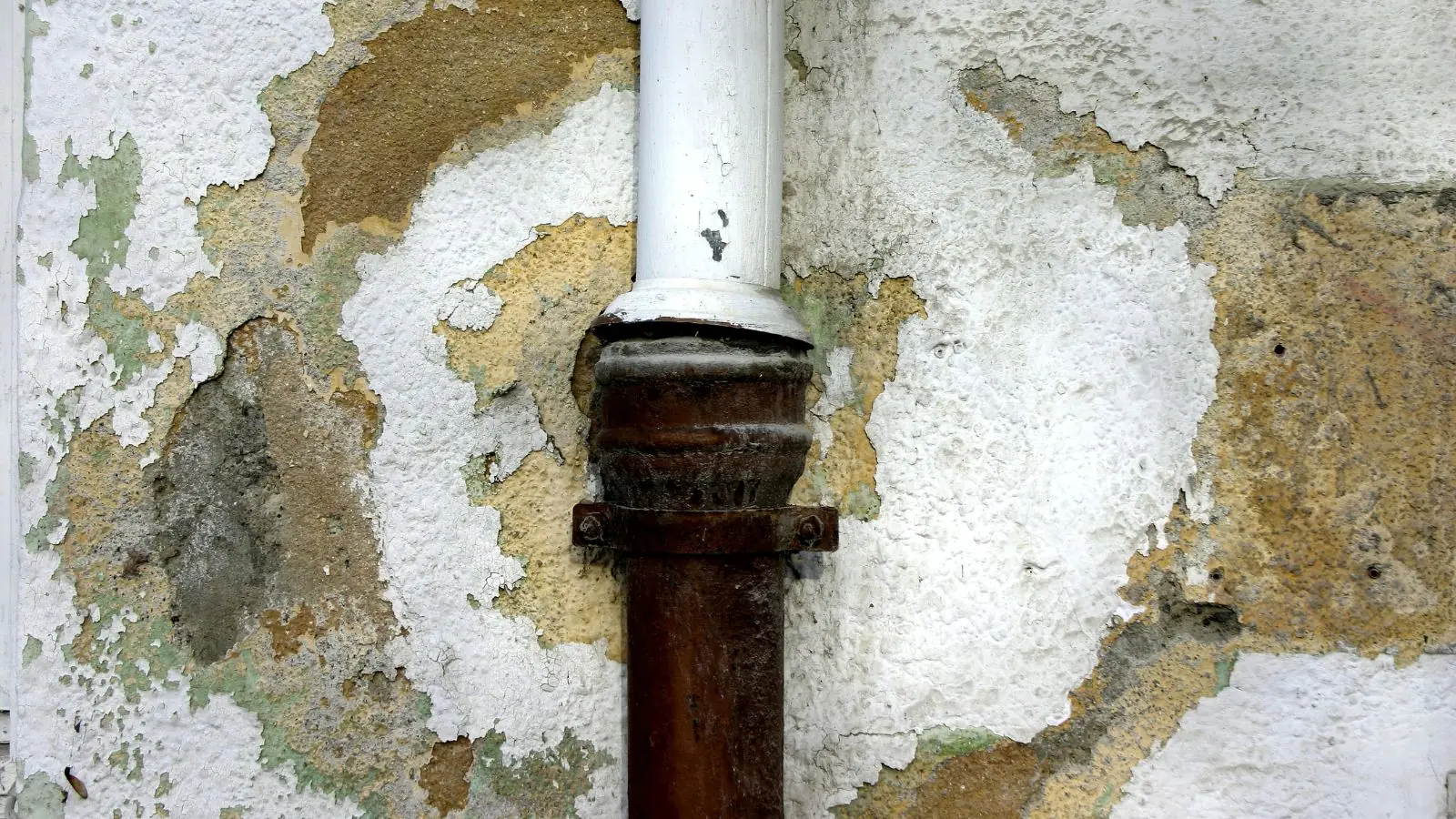
Start with surfaces that face a pipe, a roof or an exterior wall. Yellow or brown patches on a ceiling, and tide-line rings with a darker edge, show that water has arrived and dried more than once. Paint that bubbles, flakes or peels in sheets is often lifting because moisture is pushing from behind.
Look low as well. Baseboards that have swelled, curled or pulled away from the wall, and door casings with dark bottoms, point to water at floor level. Vinyl plank or laminate that cups at the seams, or tile with grout that stays dark, tells the same story from the floor side.
- Stains that return after repainting.
- Drywall seams that show as ridges or cracks.
- Wallpaper edges that lift or darken.
- White, powdery crust on masonry, grout or the base of a block wall.
- Rust on screws, nail heads, metal door frames or appliance feet.
What to feel and smell
Press a gloved thumb or the flat of a screwdriver against the lower wall near a suspect spot. Healthy drywall is firm and dry. If it feels soft, cool, crumbly or spongy, the gypsum has absorbed water and will not recover. Check whether the wall feels cooler than the one beside it, since evaporation pulls heat from the surface.
A musty or earthy smell in a closet, cabinet or room that has been closed is a reason to keep looking. The odor does not tell you what is causing it or how much there is, and only an inspection and testing can do that. Health questions belong with a physician, not with a checklist.
Warm, humid air can also signal trouble. Window glass that fogs on the inside most mornings, or a room that never feels dry even with the AC running, suggests a moisture source nearby.
Water or mold problem right now?
Call the 24/7 line and describe what you see.
Sign by sign: likely cause and what to do
Use the table as a quick triage. It does not diagnose, but it tells you which problems can wait for a daytime visit and which ones need action now.
| Sign | Likely cause | What to do |
|---|---|---|
| Brown ring on ceiling or upper wall | Roof leak, upstairs plumbing or AC drain line | Photograph it, keep clear if it sags and call for an inspection |
| Bubbling or peeling paint on a wall | Moisture behind the wall from a supply line, shower or exterior leak | Do not scrape it. Have the wall metered before repainting |
| Warped baseboard or cupped flooring | Water spreading across the floor or rising in the wall | Shut off suspect fixtures and start drying right away |
| White powder on masonry or grout | Efflorescence from water carrying salts through concrete or block | Find the moisture path, since brushing it off will not stop it |
| Musty smell with no visible source | Hidden dampness in a wall, cabinet or crawl space | Ask for a moisture meter and thermal camera survey |
The hidden places where damage hides
Many leaks are found by accident when someone empties a cabinet. The back of the sink base, the wall behind a dishwasher, the floor under a washing machine and the cavity behind a refrigerator ice-maker line are all common places for slow drips. A plastic supply hose that bulges or has a crust of mineral deposit at the fitting is close to failing.
Pull the bottom shelf from a vanity and look at the particleboard. It swells, turns dark and crumbles at the edges when it has been wet. Do the same under the kitchen sink, and shine a flashlight along the pipes toward the wall.
- Under sinks and behind toilets, where supply lines meet shutoff valves.
- Behind the dishwasher and refrigerator, on the floor beneath the trim.
- Inside the water heater closet and the base of the tank.
- Closets that share a wall with a bathroom or laundry.
- If your property has a basement, below-grade garage, utility room or crawl space, check those floors and the lower ends of the walls.
What a moisture meter and thermal camera add
Your eyes cannot see inside a wall, and the instruments can. A pin or pinless moisture meter reads the water content of drywall, wood and concrete, so a crew can compare a suspect area with a dry reference reading. A thermal camera shows temperature differences on the surface, which often outline a wet patch behind paint before any stain appears.
If the readings are high, emergency water removal may come first to pull standing water out. The two tools work together. The camera suggests where to look, and the meter confirms it with a number.
After cleanup, the same readings are repeated during drying so the work ends when materials are dry, not when they only look dry. That kind of documented drying follows ANSI/IICRC S500, and you can ask any company whether its crews work to that standard. Our water damage cleanup service starts with exactly that assessment.
Checking a Montebello home for water damage
Montebello has 20,308 housing units according to the 2020 Census, and 55.6 percent are rented. If you rent, report any stain or soft spot to the property manager in writing the same day, attach the dated photos and ask for the leak source to be found. A small written record protects you if the damage grows later.
Check your water bill if a meter or pressure problem is suspected. The City of Montebello lists four water providers, and the page does not say which one serves which address, so the bill shows whom to call. A water meter that keeps moving when every fixture is off is a clue to a hidden supply leak.
Homes near the Rio Hondo, along Whittier Boulevard or by the 60 and 710 corridors have the same warning signs as any other part of town. If you are in nearby Monterey Park or Pico Rivera, the same walk-through applies. Check the FEMA Flood Map Service Center for your address if you want to know about flood risk, and ask your city building department about permits for larger repairs.
Common questions
Is a brown ceiling stain always an active leak?
No. It may be an old leak that has dried. A dry stain can be checked with a moisture meter, and if it reads dry, the source still needs to be found so it does not return. Mark the edge in pencil and watch whether it grows.
What is the white powder on my garage or block wall?
That is usually efflorescence, which means water has moved through the masonry and left mineral salts on the surface. Brushing it off does not stop the moisture. Find the path of the water, such as a gutter, sprinkler or cracked pipe.
Can I check for hidden water damage myself?
You can look, touch and smell, and you can inspect under sinks and behind appliances. Measuring moisture inside a wall takes a meter and often a thermal camera, so call a crew when the signs point to something hidden.
What should a Montebello renter do after finding damp drywall?
Photograph it with a date, report it to the landlord or property manager in writing and shut off nearby fixtures if you can do so safely. Keep clear of sagging ceilings and wet outlets, and call for dispatch if the area is spreading.