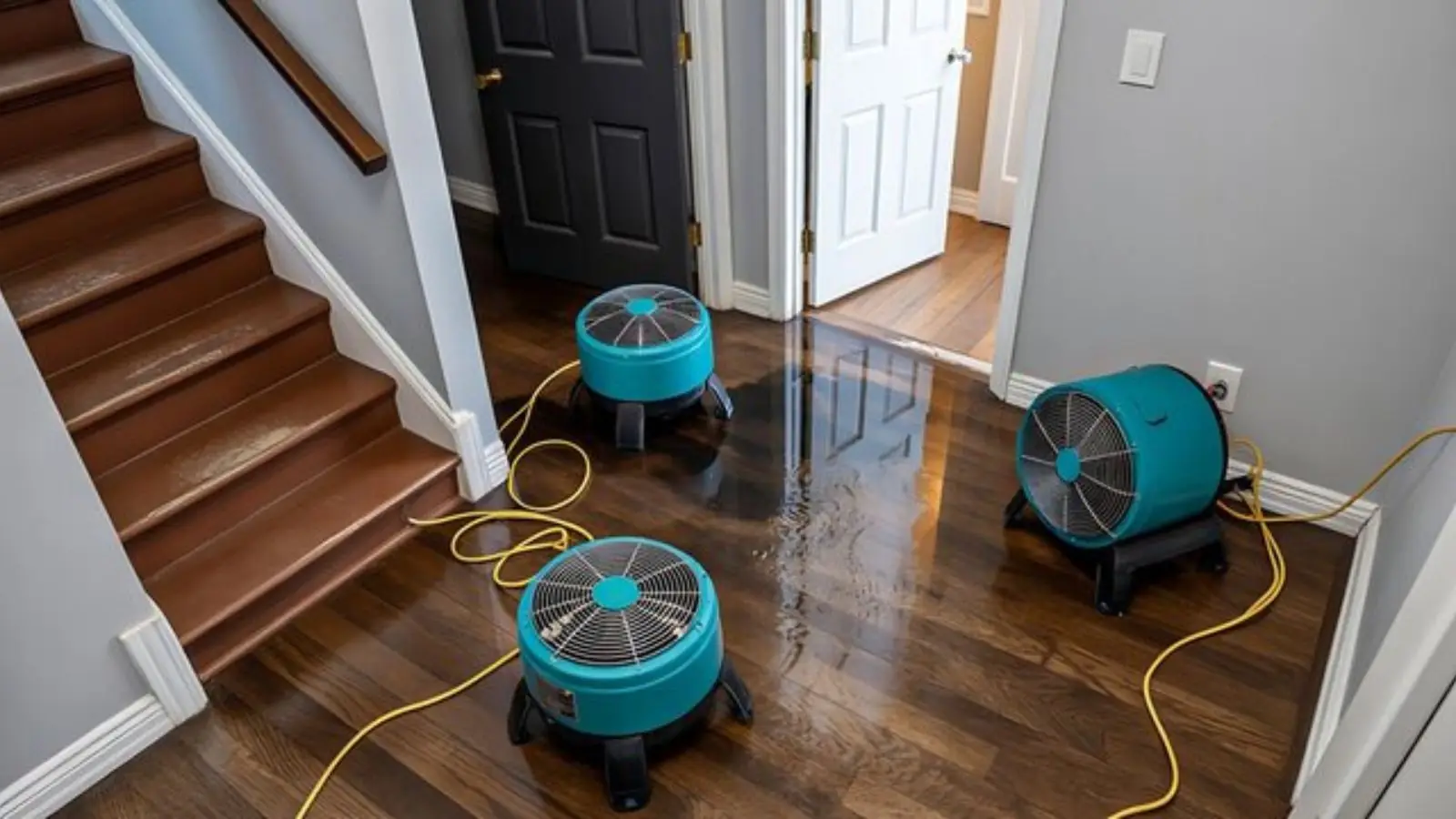
What cleanup covers and what it does not
Cleanup has one job: take out what the water ruined and leave behind a clean structure that can be dried and rebuilt. It includes removing wet carpet and pad, soaked insulation and drywall that has lost its strength, along with the muck and residue that floods leave behind.
It does not include drying the framing, which belongs to water mitigation, and it does not include rebuilding, which belongs to water damage repair. Keeping the three phases separate helps you compare quotes line by line.
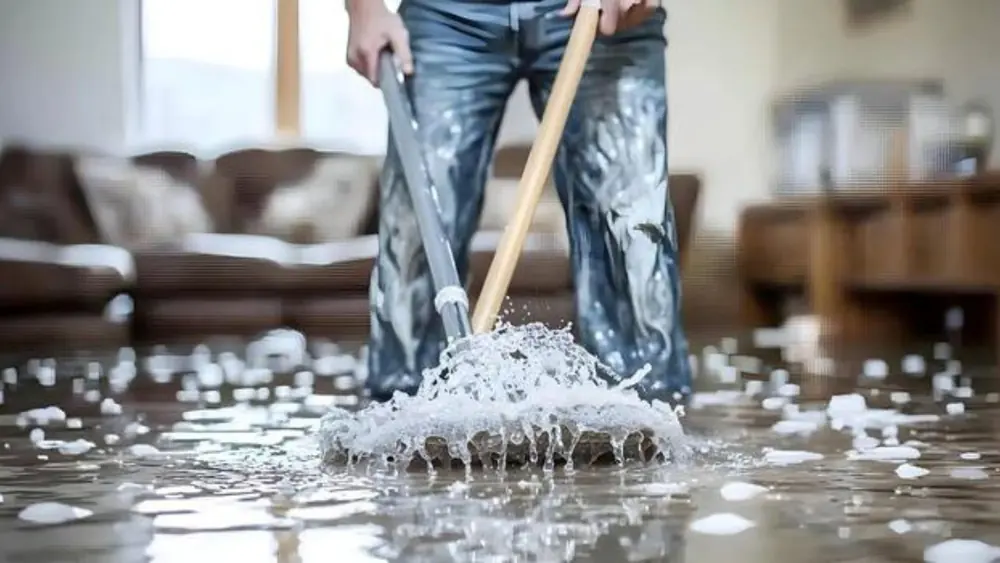
The first 48 hours: why cleanup is time-sensitive
Wet materials that sit become heavier, smellier and harder to clean. EPA guidance says drying wet materials within 24 to 48 hours generally prevents mold growth, and cleanup that removes the wettest items speeds drying for everything else.
When the water was clean at first, such as a supply line, early removal of soaked pad and wet drywall can save the rest of the room. When the water was gray or black, waiting turns a manageable job into a bigger one. Call the 24/7 line when you discover the loss, even if it is the middle of the night.
How cleanup is done
A crew starts by sorting what can be saved and what cannot. Items are photographed first so you have a record for your claim. Salvageable contents are moved, and affected materials are cut out neatly, bagged and carried out.
Surfaces are then cleaned with detergent and treated with an antimicrobial product where the water category calls for it. Odor control comes last. A good deodorizing step removes the cause of the smell instead of covering it, and that often means removing the soaked material that was producing it.
- Photograph and list damaged items
- Remove soaked pad, insulation and unsalvageable drywall
- Bag debris and carry it out
- Clean and sanitize surfaces
- Treat odor sources, not just the air
- Hand off to drying equipment and rebuild
When cleanup is an emergency
Treat it as urgent when the water came from a sewer line, a toilet overflow or outside flooding, when you see drywall sagging or when a musty smell is already forming. These do not wait until morning.
For anything contaminated, do not handle the material yourself, and do not run fans that move contaminated air. If electricity or gas is a concern, call the utility or 911 first. Then call us and tell the dispatcher what you see.
Cleanup cannot wait?
Call the 24/7 line now.
What gets removed and what gets saved
| Material | After clean water | After contaminated water |
|---|---|---|
| Carpet pad | Often removed | Removed |
| Carpet | May be dried if caught early | Usually removed |
| Drywall | Dried if firm, removed if soft or stained | Removed below the water line |
| Hardwood | Often dried with mats, results vary | Evaluated case by case |
| Insulation | Removed if wet | Removed |
If your loss is a flood or sewage backup, read the flood damage restoration page for the stricter handling steps.
Cleanup cost factors and insurance
The price depends on how much material comes out, the water category, the amount of debris and the extra sanitizing the situation needs. We explain scope and price before work starts, and you can keep the written scope for your insurer.
Sudden and accidental water damage is often covered, while gradual leaks and neglect often are not. Flood damage usually needs separate coverage. Check your policy and ask your insurer. Want your real number? Call the 24/7 line.
Cleanup in Montebello: documentation for renters and owners
In Montebello 44.4 percent of housing units are owner-occupied and 55.6 percent are rented, based on the 2020 Census. Renters should photograph damage before anything is removed and send the photos to the landlord in writing, while owners should keep every receipt for the claim.
A cleanup near the city's commercial streets, such as Whittier Boulevard, often involves shared walls with neighboring units. Tell your property manager right away so the neighbors can check for moisture, and look at the pages for nearby Pico Rivera if you are weighing options across the river.
Water damage cleanup questions
How soon should cleanup start after water damage?
As soon as the water is stopped. Soaked materials get harder to save with every hour, and the 24 to 48 hour window is the one EPA guidance points to for preventing mold growth.
Can I clean up water damage myself?
Small clean-water spills, yes. Anything that came from a sewer line, spread across rooms, reached outlets or soaked drywall and insulation is better left to a crew with protective gear and extraction equipment.
Does cleanup include mold removal?
Not by itself. If mold is already growing, that is a separate job described on the mold remediation page. Cleanup helps prevent mold by removing wet materials early.
Do you handle water damage cleanup emergencies at night or on weekends in Montebello?
Yes. If you find the loss at midnight, call then. Early removal of wet materials matters, so the line runs all day and all night, and crews are sent the same day when available.