Which service do you need first?
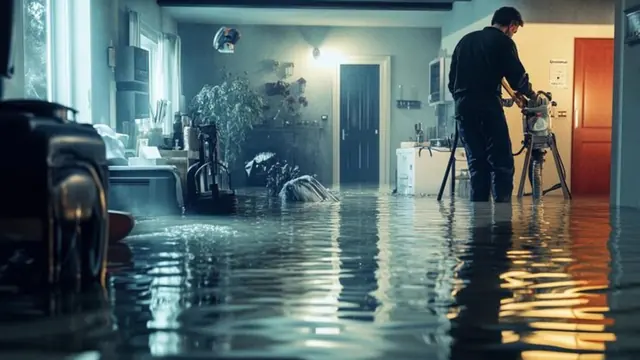
If water is still arriving or standing on the floor, start with emergency water removal. If it has stopped but materials are wet, water mitigation dries the structure. Outside water, sewage and storm damage are covered by flood damage restoration.
Once drying is done, water damage cleanup removes ruined materials and sanitizes, and water damage repair rebuilds. If mold grew while things stayed wet, mold remediation deals with it under S520 practice.
In practice, these overlap on one job. A single call can involve three of them in sequence, and that is why the scope separates each phase so you can see what you are paying for.
How to compare quotes across services
Ask each company to separate mitigation, cleanup, repair and mold work into their own lines. Mitigation dries the building. Cleanup removes what cannot be saved. Repair rebuilds. A single lump number hides which part is doing what, and it makes an insurer's review harder.
Also ask whether the crew works to ANSI/IICRC S500 for water damage and S520 for mold, how moisture will be measured and recorded, and when the structure counts as dry. Those answers separate a careful job from a rushed one.
Want help sorting your quote?
Call and describe what you were told.
Cost, insurance and your first call
Every service page lists its own cost factors rather than a price, because the water category, the area, the materials and the days of drying all change the number. Scope and price are explained before work starts.
Sudden and accidental water damage is often covered by insurance, while gradual leaks and neglect often are not, and flood damage usually needs separate coverage. Check your policy and ask your insurer. If water is still spreading, call the 24/7 line now and read the rest later.
Water still spreading?
Call the 24/7 line now.
All services
Water Mitigation
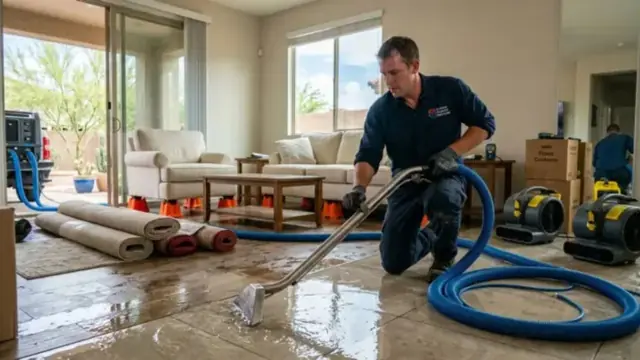
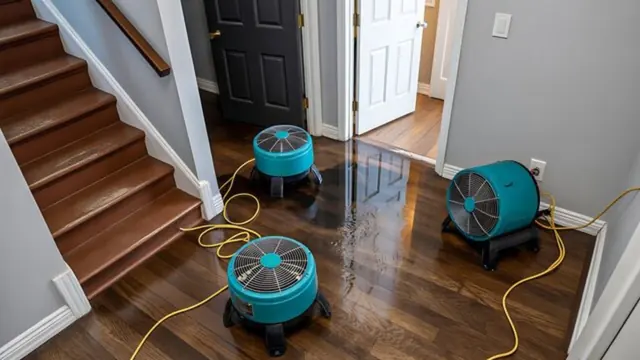
Stopping the spread in the first 24 to 72 hours, with extraction, structural drying and moisture readings.
Emergency Water Removal
Pumps and extraction units for standing water from burst pipes, appliance failures and leaks.
Flood Damage Restoration
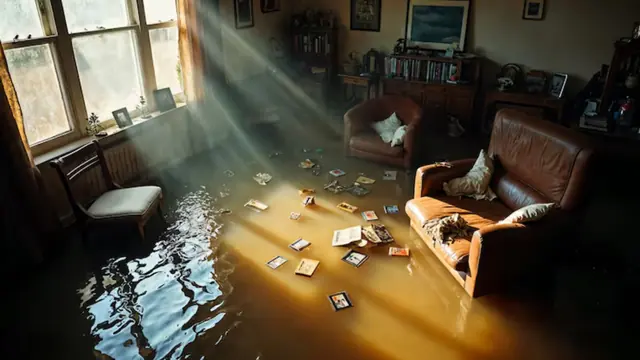
Storm, groundwater and sewer water, with sanitizing, removal of porous materials and drying.
Water Damage Cleanup
Removing ruined materials and debris, then sanitizing and deodorizing after the water is stopped.
Water Damage Repair
Rebuilding drywall, insulation, flooring, trim and paint once the structure is dry.
Mold Remediation
Containment, removal and moisture control following S520 practice.